Studio
Industry Insight
Mashrabiya Aluminum Panels:
The Complete A-to-Z Guide
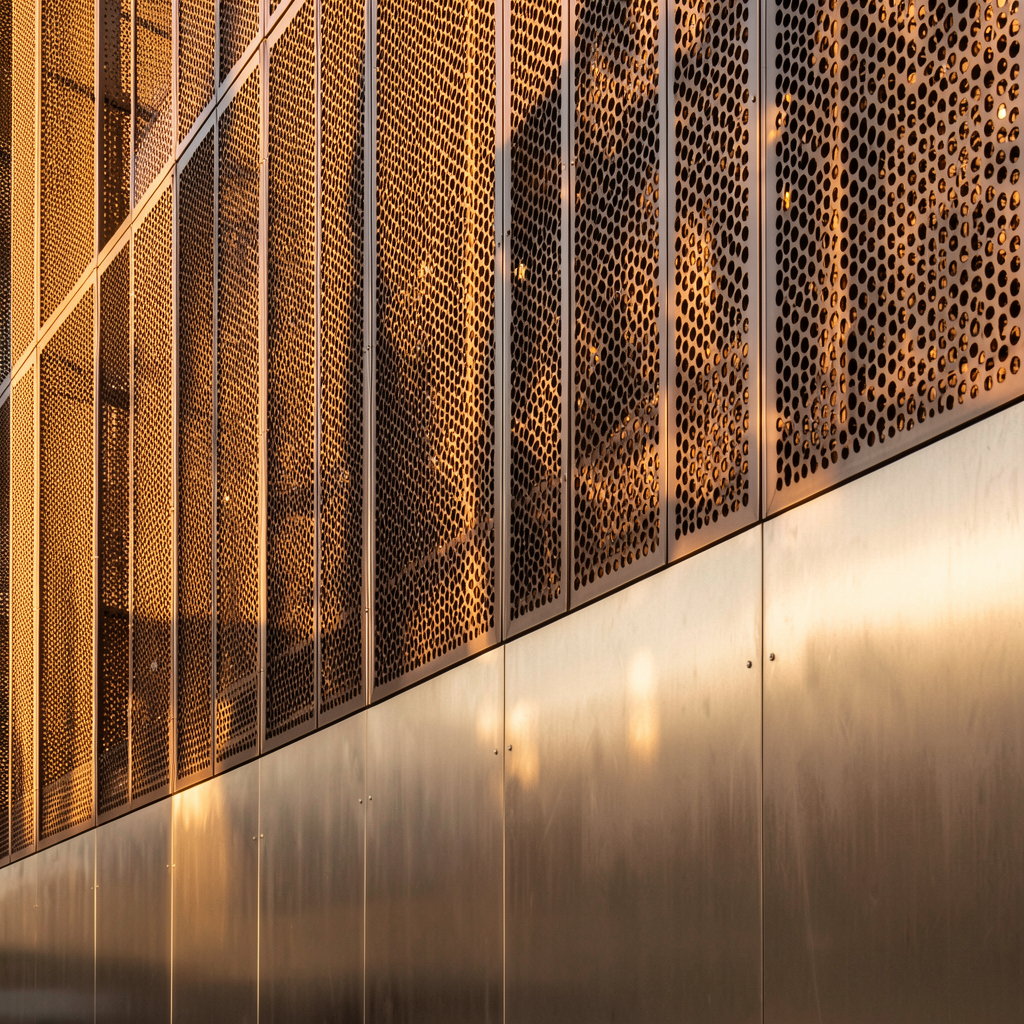
A confident, authority-driven exploration of how modern aluminum mashrabiya panels shape contemporary facades—design, production, and performance.
What is a Mashrabiya?
Mashrabiya originates in traditional Middle Eastern and Islamic architecture. It is a latticework screen that provides privacy, shade, and ventilation while allowing light to filter through. Historically crafted from wood, its essence is now distilled into precision-engineered aluminum panels for modern facades.
The form emphasizes rhythm, geometry, and craft. In contemporary practice, these panels are designed to be modular, scalable, and climate-responsive—preserving historical language within cutting-edge manufacturing.
- Rhythm and repeatable patterns create visual cadence on large facades.
- Light control through perforation density and orientation.
- Ventilation without compromising privacy.
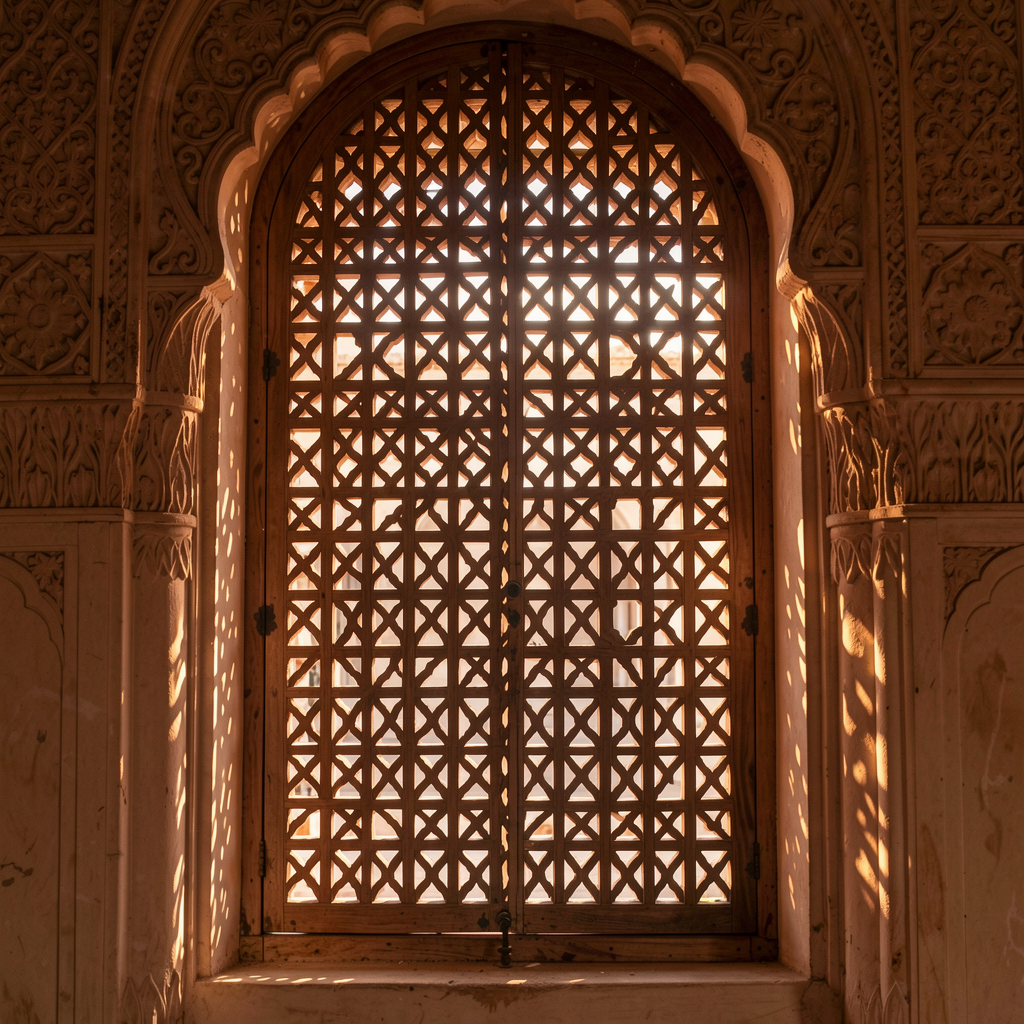
Why Aluminum Replaced Traditional Wood
Aluminum mashrabiya panels offer a superior lifecycle. They balance aesthetic warmth with industrial performance.
- Durability and weather resistance minimize maintenance in harsh climates.
- Weight optimization enables larger spans and easier installation.
- Cost over lifetime lower total cost of ownership due to reduced refinishing and longer service life.
- Consistency in pattern accuracy across large projects.
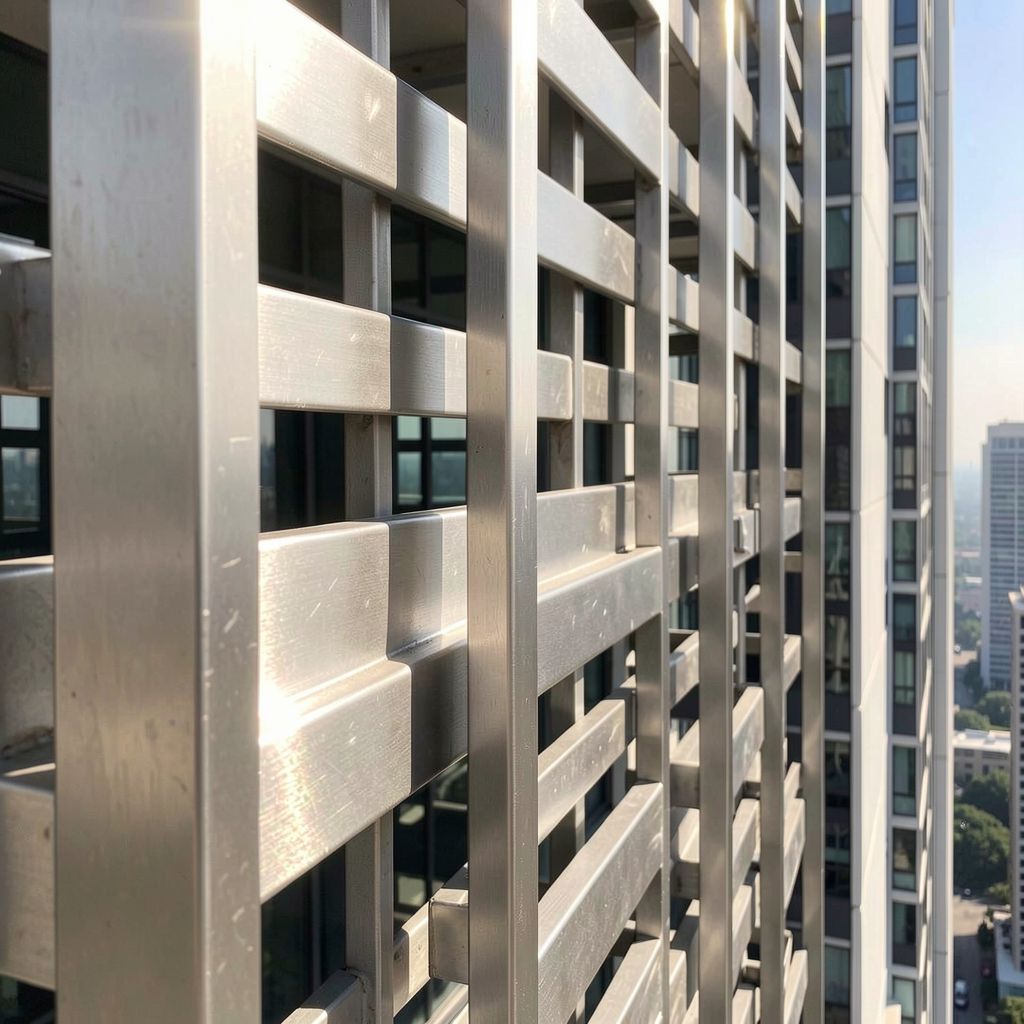
How Aluminum Mashrabiya Panels Are Made
Modern manufacturing combines precision CNC laser cutting with advanced surface finishes. The geometry is defined in CAD, then translated to highly accurate sheet-cut patterns on rolled or extruded aluminum.
Common alloy grades include:
- 1050 (high aluminum content, good formability)
- 3003 (excellent workability, corrosion resistance)
- 5052 (higher strength and rigidity)
Finishing options optimize performance and aesthetics:
- Powder coating in a wide color range for durability.
- PVDF coatings for UV resistance and color retention.
- Anodizing for natural aluminum color with added hardness.
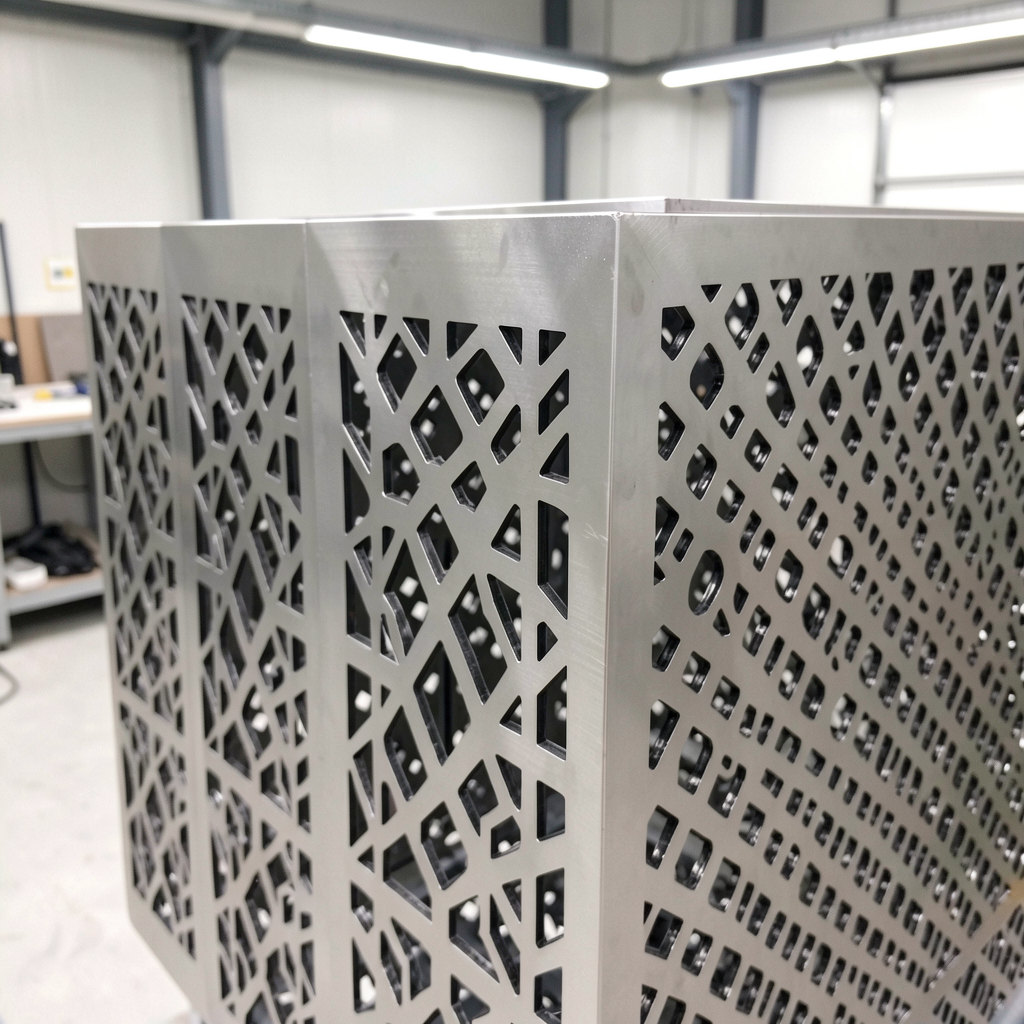
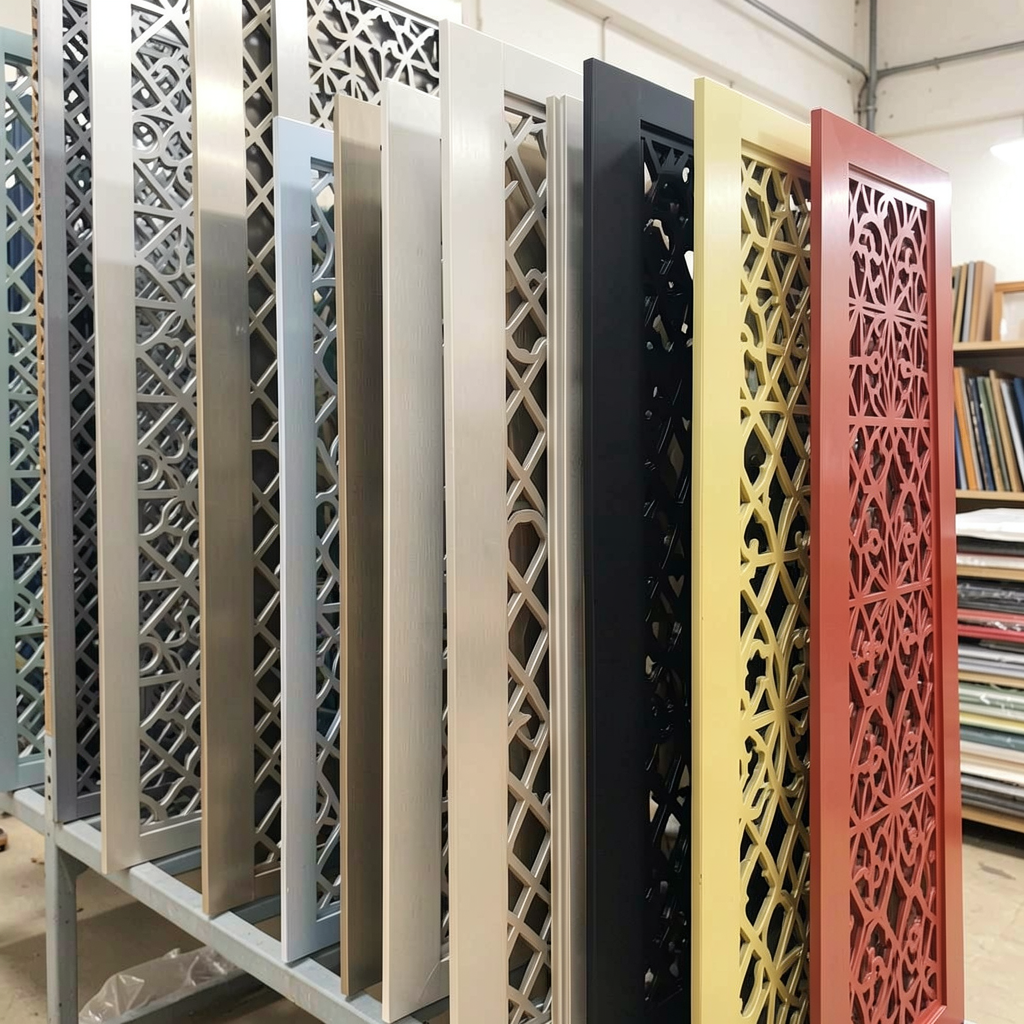
Design Patterns and Customization Options
From geometric grids to floral and Islamic art-inspired motifs, aluminum mashrabiya panels offer a wide design vocabulary. Custom logos and branding can be integrated while preserving performance.
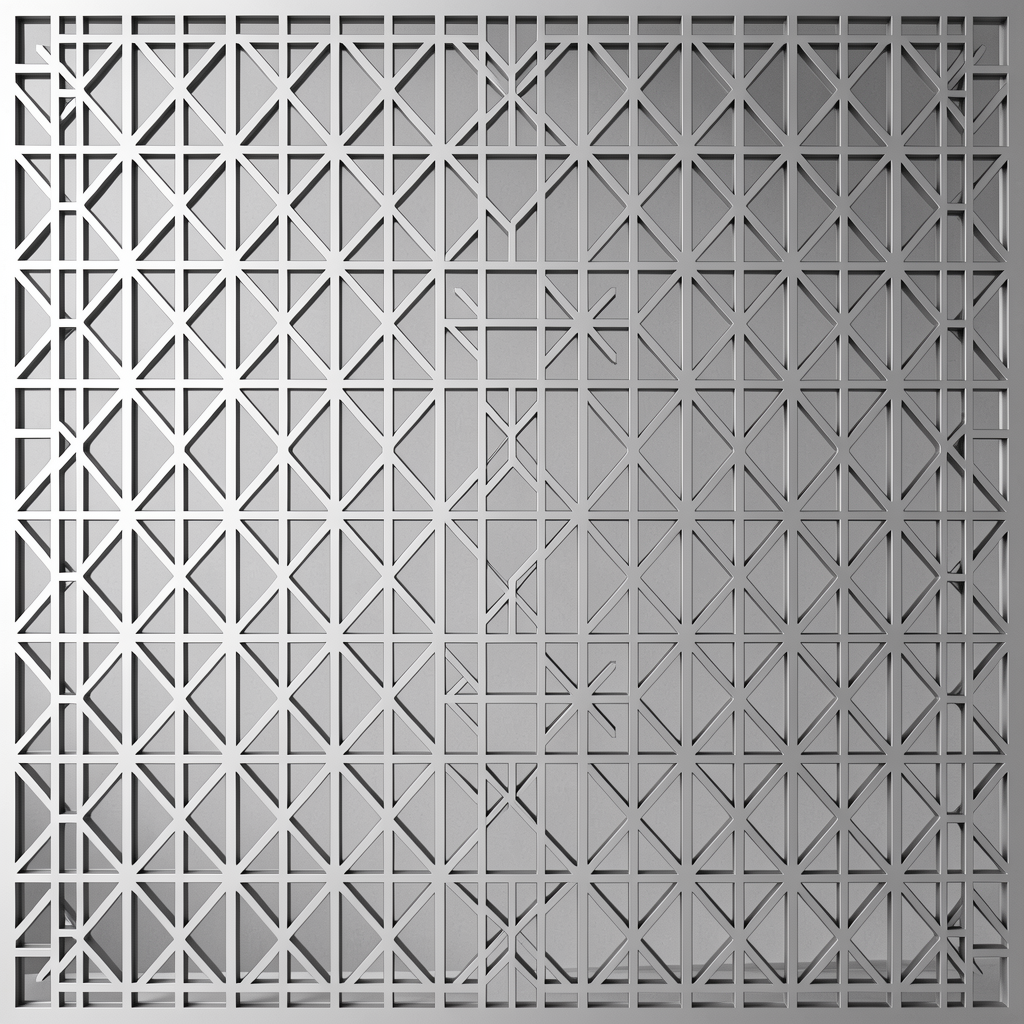
Geometric
Clear, modular grids with crisp perforations for a contemporary look.
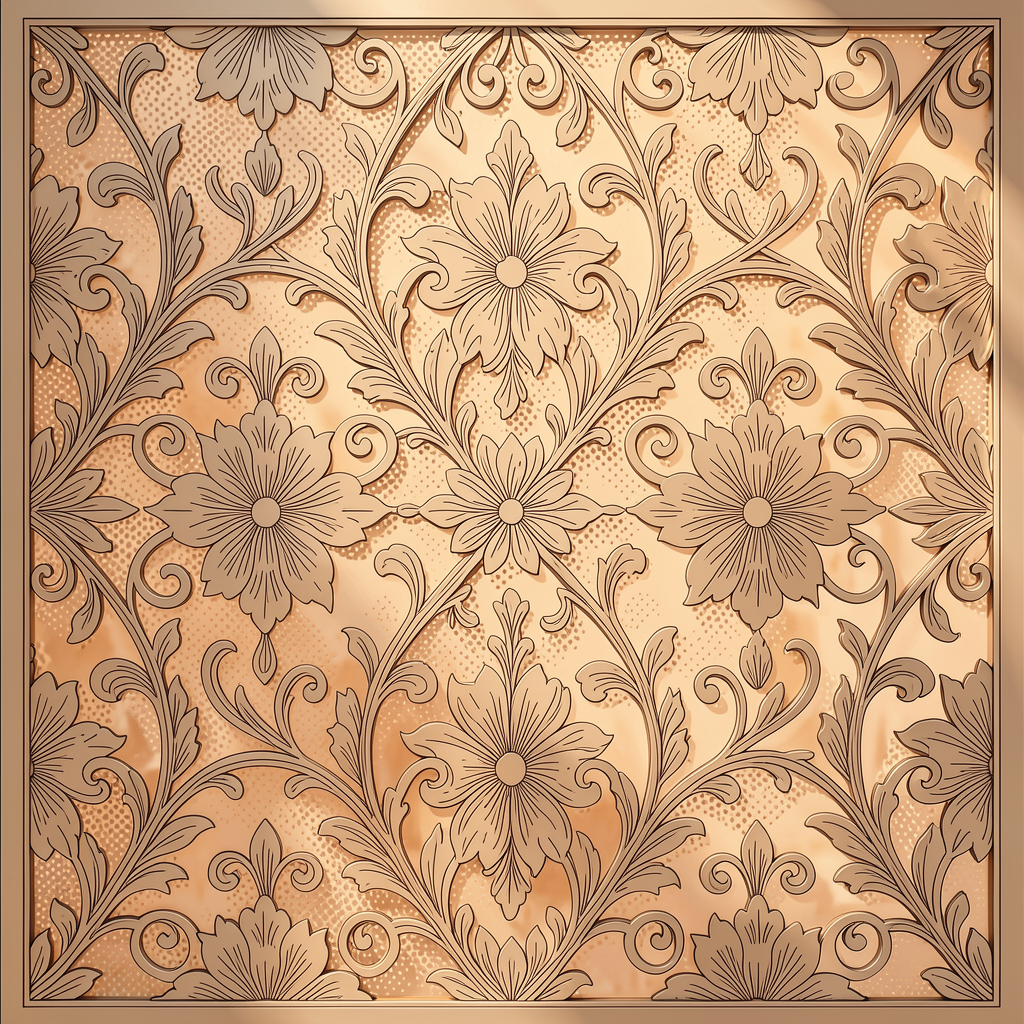
Floral & Artisan
Inspired, decorative motifs that reference traditional craft.
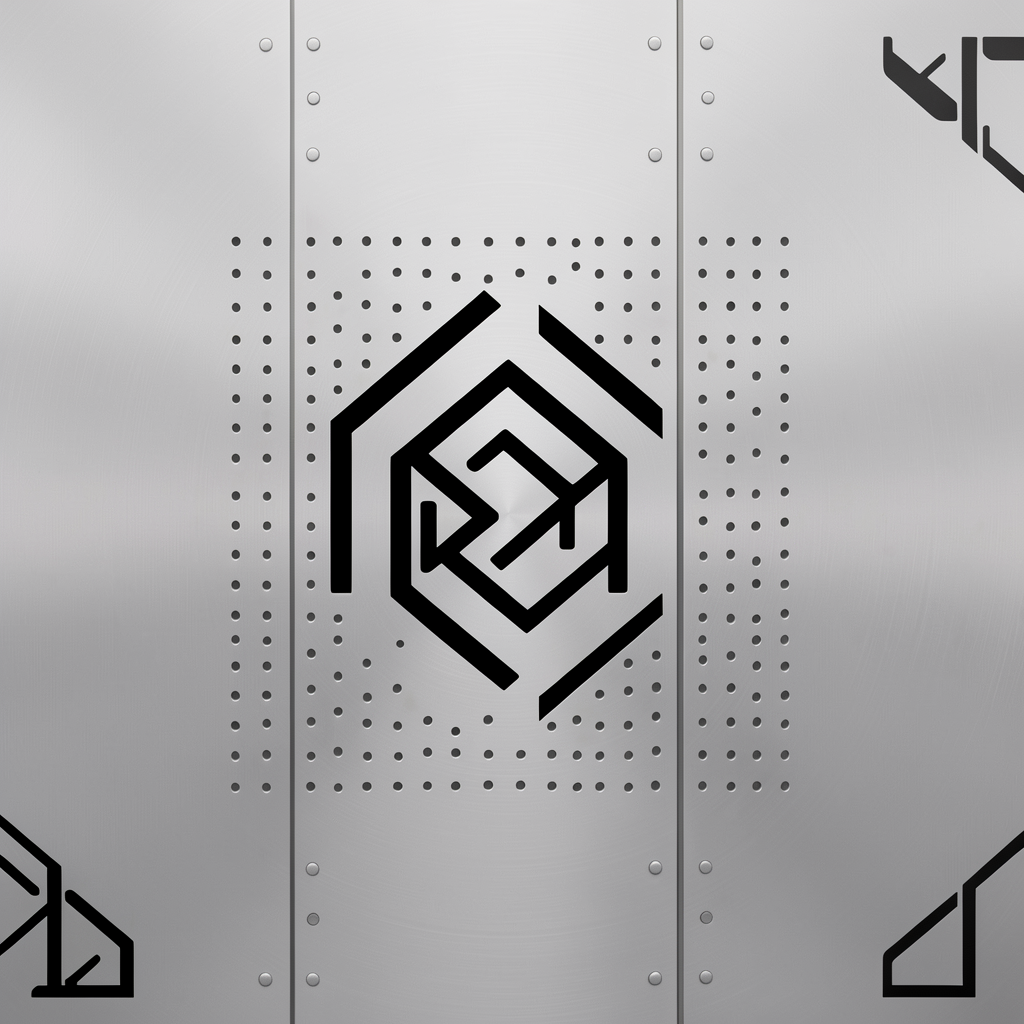
Branding
Custom logos and identifiers integrated into the panel geometry.
Functional Benefits
Perforation patterns regulate visibility while maintaining daylight.
Optimized shading reduces glare and solar heat gain.
Aeration through controlled perforations supports natural ventilation.
Thermal performance improves building envelope efficiency.
Strategic perforation patterns minimize harsh reflections.
Corrosion resistance and long-term stability in varied climates.
Applications
From residential facades to hospitality and cultural centers, aluminum mashrabiya panels adapt to diverse contexts.
Home-ready warmth with contemporary restraint.
Elegant climates and branded texture for premium spaces.
Lightweight, precise, and acoustically considerate.
Architectural language with respectful ornament.
Ventilated privacy with refined texture.
Subtle branding integrated into the panel geometry.
Cost Factors and What Affects Pricing
Pricing for aluminum mashrabiya panels is driven by a few key variables. Understanding these helps balance aesthetics with budget.
- Thickness and panel depth affect rigidity and mounting complexity.
- Pattern complexity drives tooling time and precision requirements.
- Finish (powder coat, PVDF, or anodizing) impacts durability and color stability.
- Panel size and span, along with mounting methodology, influence fabrication and logistics.
Tip: Work with a supplier who can map a bill of materials to your facade’s climate, maintenance plan, and lifecycle expectations.
Sustainability and Eco-friendliness
Aluminum is highly recyclable and retains value across cycles. Recycled content and efficient manufacturing reduce energy use, while durable panels contribute to lower cooling loads by improving envelope performance.
Aluminum can be recycled repeatedly with minimal loss of properties.
Improved facade performance reduces HVAC demand in hot climates.
Long service life lowers environmental impact across the project’s life.
Installation and Maintenance
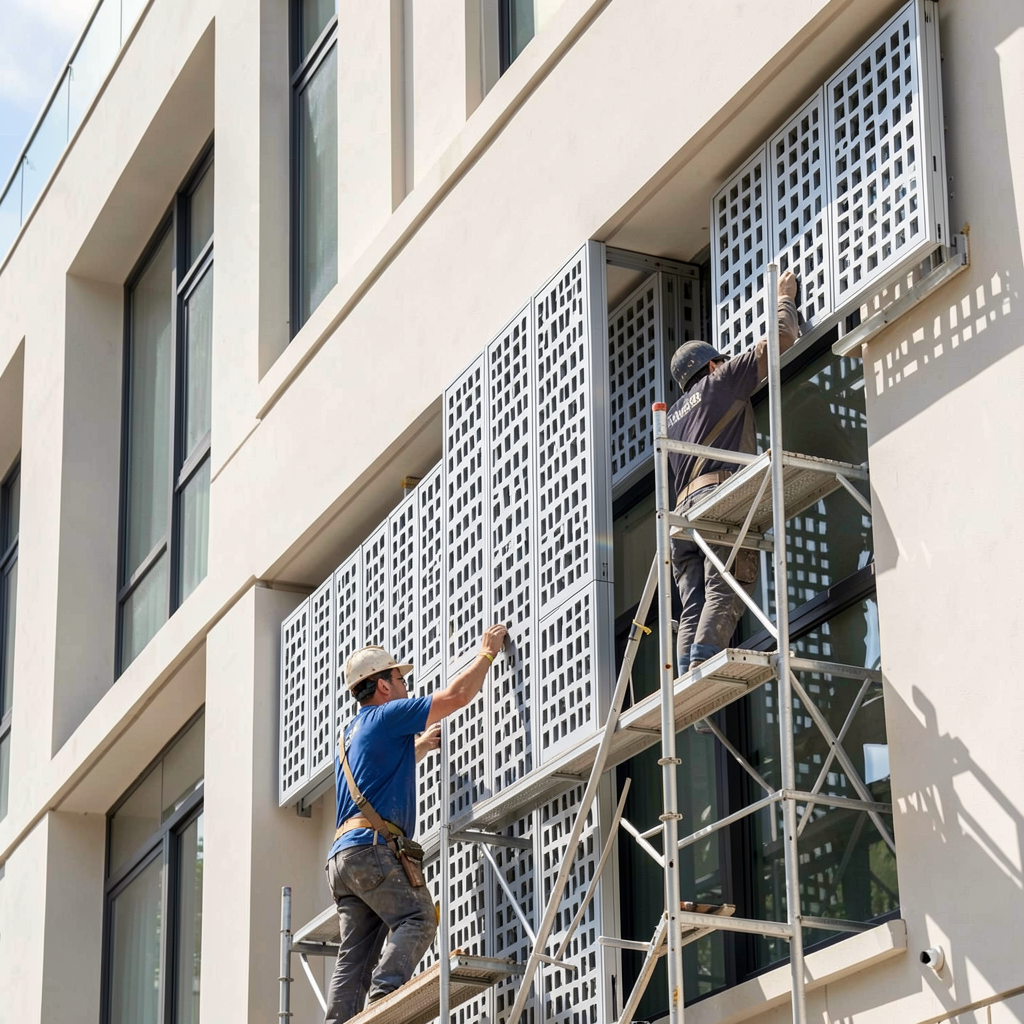
Aluminum panels install with relative ease compared to traditional wood, thanks to lighter weight and precise fabrication. Systems are designed for modular assembly, reducing on-site complexity.
- Ease of install and fewer seasonal constraints.
- Low upkeep—resists rot, warping, and insect damage.
- Coatings protect against corrosion and weathering.
Choosing a Manufacturer / Supplier
- Quality checks—tolerance adherence, edge finishing, and consistency of perforations.
- Mold ownership—ensure clear control over tooling and intellectual property.
- Certifications—industry standards, material traceability, and environmental compliance.
- References—past projects, on-site performance, and long-term serviceability.
Future Trends in Facade Design
The language of mashrabiya panels evolves with computational geometries, adaptive shading, and smart system integration, while preserving the architectural vocabulary of light, shadow, and craft.
- Parametric designs that respond to climate data in real time.
- Hybrid patterns combining modular repetition with unique, site-specific motifs.
- Enhanced integration with photovoltaics and smart sensors for energy management.
Closing Thoughts
Mashrabiya aluminum panels merge heritage aesthetics with modern performance. They offer a refined language for contemporary facades, delivering privacy, light control, and efficiency without compromising design fidelity.
If you’re exploring a project, I invite you to comment, share insights, or connect for a project consultation. Let’s shape the next generation of architectural envelopes together.
We use cookies and similar technologies to improve your browsing experience and personalize content. By continuing to use our site, you agree to our use of cookies.